With over  25 years as a leadership and management consultant, Ms. Sarah Cornally specialises in developing leaders to create culture that enables organisations to thrive. Ms. Cornally is a leading expert in organisational dynamics, examining culture and strategy of senior executives and leadership at the boardroom level. She has co-authored several books such as ‘Turning Strategic Intent into Real Results’.
Q. How do you see HR’s role as a strategic business partner?
A. Strategy is how you go about bringing a vision from an idea into existence. In business, it requires understanding all the forces at play in the marketplace, deciding how you will create value by mobilising resources that fulfill the purpose of an organisation. Consulting with organisations where there are co-creative relationships between the CEO, CFO, COO, CIO and CHRO gives a clear line of sight to the contribution each function plays in bringing the vision into being.
This requires the CHRO to understand the business strategy from a commercial perspective and all its implications for the organisational design, development and culture – both short and long term. CHRO should be able to demonstrate credible knowledge in understanding what the business strategy demands from various functions of the business and how HR can be a partner to enable this to work effectively.
Q. What does the leadership expect from HR?
A. The leadership needs a well-designed organisation that functions effectively to enable the business strategy to be implemented in the most effective and well-leveraged way that embodies their brand and strengthens their reputation. They need to be attractive to the kind of talent they need, recruit them well and be able to align them to deliver the results and retain them, while optimising their levels of engagement and contribution. They need to grow their future leaders to ensure continuity and evolution consistent with their long-term vision. Creating systems and processes which make sure that they meet all their responsibilities towards the employees and other stakeholder obligations is essential.
The board is concerned about organisational effectiveness and their stewardship responsibility regarding the health of the organisation and factors that impact on organisational performance. The directors need to have accurate picture of the organisation to exercise their responsibilities and work with management. The HR executives need to build understanding in the boardroom by speaking boardroom language and framing messages in meaningful ways. Click here to read full interview...
Read More IIPM Related Articles
Zee Business Best B-School Survey 2012
Prof. Arindam Chaudhuri's Session at IMA Indore
IIPM IN FINANCIAL TIMES, UK. FEATURE OF THE WEEK
IIPM strong hold on Placement : 10000 Students Placed in last 5 year
IIPM's Management Consulting Arm-Planman Consulting
Professor Arindam Chaudhuri - A Man For The Society....
IIPM: Indian Institute of Planning and Management
IIPM makes business education truly global
Management Guru Arindam Chaudhuri
Rajita Chaudhuri-The New Age Woman
IIPM B-School Facebook Page
IIPM Global Exposure
IIPM Best B School India
IIPM B-School Detail
IIPM Links
IIPM : The B-School with a Human Face
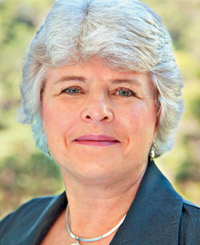 25 years as a leadership and management consultant, Ms. Sarah Cornally specialises in developing leaders to create culture that enables organisations to thrive. Ms. Cornally is a leading expert in organisational dynamics, examining culture and strategy of senior executives and leadership at the boardroom level. She has co-authored several books such as ‘Turning Strategic Intent into Real Results’.
Q. How do you see HR’s role as a strategic business partner?
A. Strategy is how you go about bringing a vision from an idea into existence. In business, it requires understanding all the forces at play in the marketplace, deciding how you will create value by mobilising resources that fulfill the purpose of an organisation. Consulting with organisations where there are co-creative relationships between the CEO, CFO, COO, CIO and CHRO gives a clear line of sight to the contribution each function plays in bringing the vision into being.
This requires the CHRO to understand the business strategy from a commercial perspective and all its implications for the organisational design, development and culture – both short and long term. CHRO should be able to demonstrate credible knowledge in understanding what the business strategy demands from various functions of the business and how HR can be a partner to enable this to work effectively.
Q. What does the leadership expect from HR?
A. The leadership needs a well-designed organisation that functions effectively to enable the business strategy to be implemented in the most effective and well-leveraged way that embodies their brand and strengthens their reputation. They need to be attractive to the kind of talent they need, recruit them well and be able to align them to deliver the results and retain them, while optimising their levels of engagement and contribution. They need to grow their future leaders to ensure continuity and evolution consistent with their long-term vision. Creating systems and processes which make sure that they meet all their responsibilities towards the employees and other stakeholder obligations is essential.
The board is concerned about organisational effectiveness and their stewardship responsibility regarding the health of the organisation and factors that impact on organisational performance. The directors need to have accurate picture of the organisation to exercise their responsibilities and work with management. The HR executives need to build understanding in the boardroom by speaking boardroom language and framing messages in meaningful ways. Click here to read full interview...
Read More IIPM Related Articles
Zee Business Best B-School Survey 2012
Prof. Arindam Chaudhuri's Session at IMA Indore
IIPM IN FINANCIAL TIMES, UK. FEATURE OF THE WEEK
IIPM strong hold on Placement : 10000 Students Placed in last 5 year
IIPM's Management Consulting Arm-Planman Consulting
Professor Arindam Chaudhuri - A Man For The Society....
IIPM: Indian Institute of Planning and Management
IIPM makes business education truly global
Management Guru Arindam Chaudhuri
Rajita Chaudhuri-The New Age Woman
IIPM B-School Facebook Page
IIPM Global Exposure
IIPM Best B School India
IIPM B-School Detail
IIPM Links
IIPM : The B-School with a Human Face
