The Indian bureaucracy is well 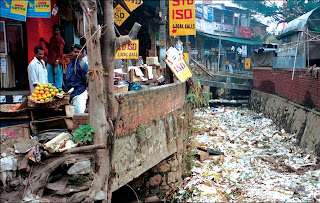 known for designing lopsided development models. There is hardly a semblance of sanity in the thought processes, which plans India’s future. In their zeal to build fl yovers, they conveniently forget that pedestrians too have to be provided for. Highways are inaugurated with great fanfare, paying scant regard to the fact that shops and residences along the highway can be traffic hazards. They spend millions on advertising Goa as the ultimate tourist destination in India, but hardly bother about the cows, which squat right at the entrance of the Airport to greet the incoming tourists. This lack of holistic planning is much evident in the way we have encouraged consumerism without thinking about how we would dispose off the waste created by high consumption levels.
 known for designing lopsided development models. There is hardly a semblance of sanity in the thought processes, which plans India’s future. In their zeal to build fl yovers, they conveniently forget that pedestrians too have to be provided for. Highways are inaugurated with great fanfare, paying scant regard to the fact that shops and residences along the highway can be traffic hazards. They spend millions on advertising Goa as the ultimate tourist destination in India, but hardly bother about the cows, which squat right at the entrance of the Airport to greet the incoming tourists. This lack of holistic planning is much evident in the way we have encouraged consumerism without thinking about how we would dispose off the waste created by high consumption levels.
For Complete IIPM Article, Click on IIPM Article
Source: IIPM Editorial, 2007
An IIPM and Management Guru Prof. Arindam Chaudhuri's Initiative
.


